55–72 z 126 výsledkov
Filozofia
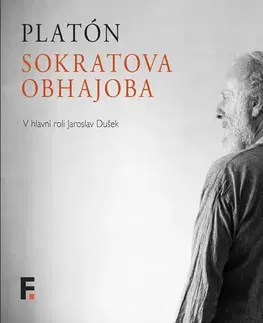
Audiokniha Sokratova obhajoba, kterou napsal Platón - text a diskuse. Roku 399 př. n. l. čelil Sokrates obvinění, že podlamuje důvěru ve společenské instituce. Žalobci chtěli chránit mladé lidi před zhoubným vlivem nebezpečného skeptika. Athénská demokracie...
7.16 €

Audiokniha Novela demokracie, kterou napsal Martin Paur. Knížka obsahuje návrh na úpravu demokratického systému výběru kandidátů. Demokracie, tak jak ji zažíváme dnes, vznikla teprve nedávno, v několika posledních desetiletích (MILLER James). Je spíše analogová...
7.4 €
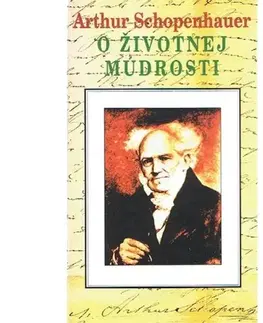
Arthur Schopenhauer je významným mysliteľom 19. storočia, ktorý do filozofickej tradície vnáša telesnosť a vďaka tomu i nový originálny princíp vôle, ktorý podľa Schopenhauera spočíva v základe sveta.
7.5 €

Kniha Pod hvězdami má podtitul Povídky z pouště a moře. V těchto extrémních krajinách se odehrávají záblesky bajek ze života zvířat, plné lidského snažení, věčného hledání, to vše z výšek pozorované nebeskými světly, chladně a nepovšimnutě.
7.56 €

Audikniha Štěstí národa, kterou napsal Jan Amos Komenský. Ve svém díle z roku 1654 pátrá J. A. Komenský po příčinách národních neduhů a hledá léky na nevědomost, lenivost, násilí, útlak nebo nesvobodu. Inspirujme se nadčasovými, prakticky využitelnými radami,...
7.96 €
Tak pravil Zarathustra s podtitulem „Kniha pro všechny a pro nikoho“ je nejslavnějším dílem geniálního německého filosofa a básníka Friedricha Nietzscheho (1844–1900).
7.96 €
Audiokniha Antická knihovna obsahuje čtené úryvky klasických děl antiky od autorů jako Platón, Démokritos, Aristotelés nebo Seneca.
7.96 €

Poutník Karlaz v dvaceti devíti promluvách oživuje příběhy dávno zapomenutých klášterů, pouštních oáz i zaniklých měst. Cesta člověka přináší praktické instrukce k řešení zásadních životních otázek, upevňování hodnot a hledání životního poslání. V audioknize...
7.96 €
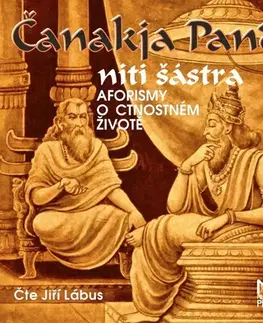
Audiokniha Níti-šástra, kterou napsal Kautilja. Niti-šástra, sbírka aforismů o ctnostném chování (v sanskrtu niti), pochází ze 4. století př.n.l. Autorem je bráhmana Kautýlja, známý jako Čanakja Pandit. Byl osobním rádcem proslulého indického císaře Čandragupty...
7.96 €
Audiokniha Človek Jób hovorí s Bohom, ktorú napísal Miroslav Kolbašský začiera do života, do dejín, do poriadkov sveta, do svedomia človeka. Kladie, ale i odpovedá na pálčivé otázky: Prečo je človek taký nenapraviteľný, prečo je ľudský život taký zdivený, kam...
8 €
Socrates is in prison, sentenced to die when the sun sets. In this final conversation, he asks what will become of him once he drinks the poison prescribed for his execution. Socrates and his friends examine several arguments designed to prove that the soul...
8.99 €

Plato’s dialogues frequently cover several topics and show their connection to each other. The "Phaedrus" is a model of that skill because of its seamless progression from examples of speeches about the nature of love to mythical visions of human nature and...
8.99 €
The dramatic nature of Plato’s dialogues is delightfully evident in the "Symposium. " The marriage between character and thought bursts forth as the guests gather at Agathon’s house to celebrate the success of his first tragedy. With wit and insight, they each...
8.99 €

Gorgias of Leontini, a famous teacher of rhetoric, has come to Athens to recruit students, promising to teach them how to become leaders in politics and business. A group has gathered at Callicles' house to hear Gorgias demonstrate the power of his art. This...
8.99 €
Audiobook 600 Quotes of Ancient Philosophy: Confucius, Epictetus, Marcus Aurelius, Plato, Socrates, Aristotle. Become familiar with the most important ancient philosophers, those who shaped Western philosophy. Delve deep into their works and thoughts with a...
8.99 €
Audiobook ‘600 Quotations from the Great Writers of the 17th Century’ features the wit and wisdom of some of the 17th century’s greatest-ever writers, including Miguel de Cervantes, novelist and scientist Johann Wolfgang von Goethe, French playwright Jean Racine,...
8.99 €
Audiobook 300 Quotes of French Philosophy: Montaigne, Rousseau, Voltaire. Become familiar with the most important French philosophers, Michel de Montaigne, Jean-Jacques Rousseau, and Voltaire. These figures have shaped Western philosophy; delve deep into their...
8.99 €

The "Dao De Jing" exists on the border between poetry and philosophy, embracing both mythos and logos. Its poetic form can stand alone, but it is enriched when its timeless ideas are analyzed and explained through careful scholarship. For example: "He who knows...
8.99 €