
BRILAGI - LED stmievateľné detské stropné svietidlo LED/42W/230V 3000/5700K astronaut BG-MX4020-1-DWD
128.9 €
BRILAGI - LED stmievateľné detské stropné svietidlo LED/42W/230V 3000/5700K astronaut BG-MX4020-1-DWD
Podobné produkty

Globo 28087 - stmievateľný LED projektor COSMO LED/3W/5V astronaut 28087
40.9 €

BRILAGI - stmievateľné LED stropné svietidlo ASTRO LED/20W/230V 3000-6000K astronaut+DO BRXL35126-20W/BI
112.9 €
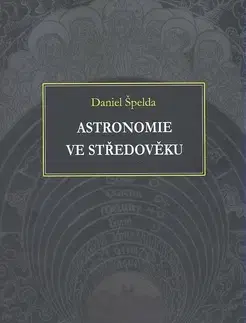
Dějiny středověké astronomie od Daniela Špeldy jsou druhým dílem plánované trilogie o dějinách astronomických teorií od antiky po renezanci. Ve středověku se na rozdíl od antiky v mnoha ohledech výrazně proměnily role, cíle, účely i vlastní seberefle xe astronomických...
17.29 €

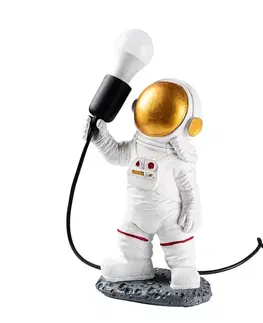
Transformujte svoj priestor pomocou nádherného dekoratívneho predmetuPredstavujeme vám náš úžasný dekoratívny predmet, ktorý okamžite pozdvihne atmosféru každej miestnosti. Tento nádherný kúsok, vyrobený s maximálnou starostlivosťou a dôrazom na detail, je...
90.1 €
This is the chapter on 16th century Danish astronomer Tycho Brahe from Sir Robert S. Ball's Great Astronomers, second edition, which begins: "The most picturesque figure in the history of astronomy ... Tycho Brahe was alike notable for his astronomical genius...
0.88 €
Sir Isaac Newton (1642–1726) was an English physicist, mathematician, astronomer, natural philosopher, alchemist and theologian who has been considered by many to be the greatest and most influential scientist who ever lived. His monograph Philosophia Naturalis...
0.88 €
Edmond Halley,(1656–1742) was an English astronomer, geophysicist, mathematician, meteorologist, and physicist who is best known for computing the orbit of the eponymous Halley's Comet. He was the second Astronomer Royal in Britain, following in the footsteps...
0.88 €

James Bradley (1693–1762) was the English astronomer who served as Astronomer Royal from 1742, succeeding Edmund Halley. He is best known for two fundamental discoveries in astronomy, the aberration of light (1725–1728), and the nutation of the Earth's axis...
0.88 €
John Flamsteed (1646-1719) was an English astronomer, a contemporary of Isaac Newton, and the first Astronomer Royal in charge of the newly built observatory at Greenwich, England (1676). Although he made no great discoveries nor new astronomical theories,...
0.88 €